Maximize Application Uptime: 3 Strategies to Reduce Downtime and Improve Performance
July 15, 2026

July 15, 2026
Application downtime is more than just an inconvenience—it’s a costly problem for businesses.
Studies show that unplanned downtime costs Fortune 500 companies between $1.25 billion and $2.5 billion annually. According to an ITIC report, downtime costs for smaller businesses can range from $137 to $427 per minute.
This staggering expense highlights the importance of maintaining high application uptime to avoid interruptions in customer service, lost revenue, and damage to brand reputation.
A seemingly solid application uptime rate of 99% still equates to more than seven hours of downtime per month. This amount of downtime can negatively impact sales, productivity, and customer trust, especially for businesses that operate 24/7 or rely on online platforms.
In this article, we’ll explore strategies to optimize your application’s uptime and minimize costly downtime, ensuring your business stays ahead of the competition.
Application uptime refers to the amount of time an application is available and functioning without interruptions. It’s typically expressed as a percentage.
For example, 99% uptime means that the application is available for all but about 87 hours per year. Even a small percentage of downtime can cause major disruptions to business operations.
Application downtime is the flip side—any time an application is offline or unavailable. Downtime has serious consequences, from lost revenue to reduced customer satisfaction.
According to a Gartner report, the average cost of IT downtime is around $5,600 per minute, which can add up to more than $300,000 per hour. This makes application uptime critical for companies that rely on web-based platforms to serve customers, process transactions, or manage essential business tasks.
Companies with high uptime rates maintain a competitive edge.
For example, Amazon reported that an outage during Prime Day in 2018 cost them between $72 million and $99 million in lost sales within just one hour. This shows how even short periods of downtime can have massive financial impacts.
By prioritizing uptime, businesses not only avoid these costs but also enhance customer trust and loyalty.
Consistent availability is especially crucial in industries like e-commerce, finance, and healthcare, where even a few minutes of downtime can lead to significant losses.
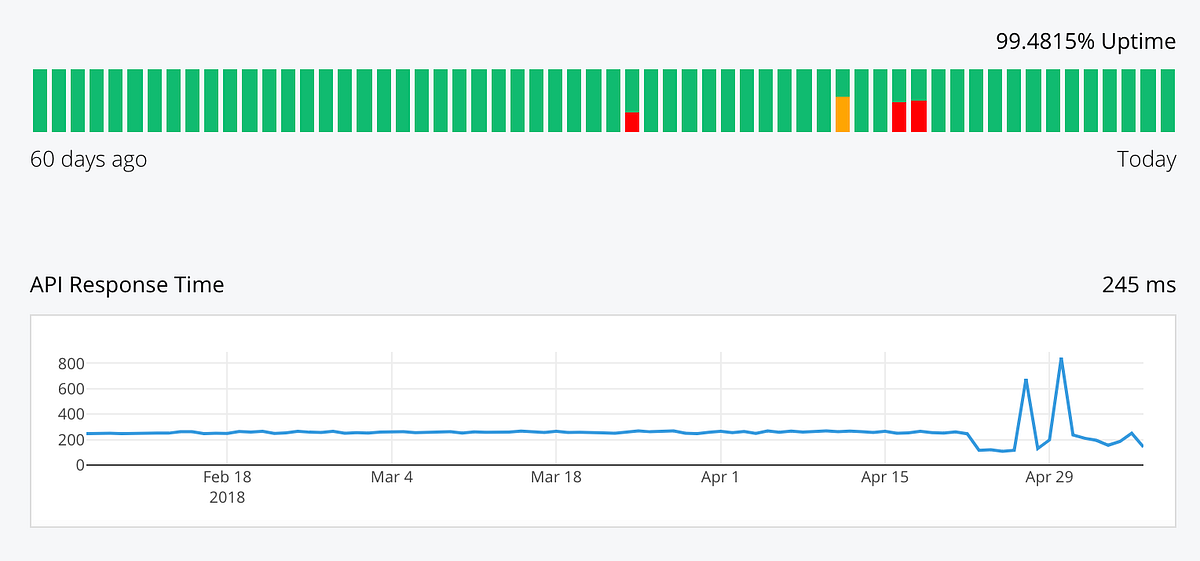
Ensuring maximum application uptime requires understanding the various factors that can cause disruptions.
By addressing these risks, businesses can reduce application downtime and keep their systems running smoothly.
One of the most common causes of downtime is hardware failure. Outdated or unreliable physical infrastructure can lead to server crashes, network outages, and data loss.
For example, the Ponemon Institute found that the average cost of a data center outage is nearly $9,000 per minute, largely driven by hardware failures and network downtime.
Network issues, such as poor connectivity or disruptions in data transmission, can also cause significant downtime.
Moving to a cloud-based solution like V2 Cloud can mitigate these risks. Cloud providers offer robust, scalable infrastructure with built-in redundancies to minimize outages caused by hardware or network failures.
By eliminating the need for on-premise servers and equipment, businesses reduce their exposure to costly downtime.
Another major contributor to downtime is faulty software. Bugs, misconfigurations, and untested updates can trigger system crashes, leading to application failure.
For instance, poorly configured databases or overlooked code errors can bring entire systems down for hours.
Proactive monitoring and regular testing can catch these issues early. Automated testing and DevOps practices, such as continuous integration/continuous deployment (CI/CD), help prevent bugs from reaching production environments. Implementing automated static code analysis can further reduce downtime by identifying defects early in the development cycle, improving reliability before deployment.
V2 Cloud’s platform offers integrated monitoring tools that track performance and alert businesses to potential issues, allowing them to address problems before they lead to downtime.
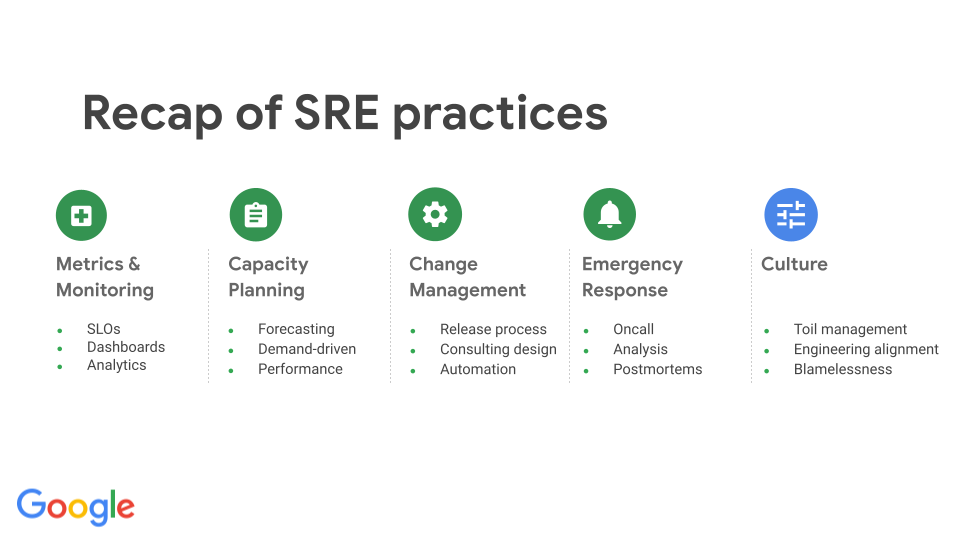
Site Reliability Engineering (SRE) is a crucial approach to maintaining high application uptime. Originally developed by Google, SRE uses software engineering techniques to ensure reliable system performance. Organizations that hire site reliability engineers can build more resilient infrastructure and proactively address performance issues before they affect users.
SRE teams are responsible for automating operations, managing capacity, and monitoring system health to prevent failures.
By incorporating SRE principles, businesses can minimize human error, improve scalability, and maintain high availability.
According to Google’s SRE book, adopting this approach can significantly reduce downtime by automating repetitive tasks and quickly responding to incidents.
SRE-driven organizations also set clear Service Level Objectives (SLOs) to balance feature development with reliability, ensuring that uptime remains a top priority.
Maintaining high application uptime requires proactive strategies that address both immediate issues and long-term stability.
Here are some effective steps to ensure your systems remain reliable and available.
Replatforming involves migrating an application from one infrastructure to another, typically moving from an on-premise setup to a cloud-based environment.
This process allows businesses to take advantage of the scalability, reliability, and cost-efficiency offered by cloud solutions.
With a cloud infrastructure like V2 Cloud, organizations can benefit from advanced features such as load balancing, which distributes traffic across multiple servers to prevent overload and system failure.
Cloud migration also offers automated backups and disaster recovery options, ensuring that data is stored in multiple locations and can be quickly restored in the event of an outage.
Research by IDC found that companies that moved their applications to the cloud reported a 50% reduction in unplanned downtime and a 56% faster disaster recovery time.
This makes replatforming a key strategy for improving uptime and reducing the risks of unexpected outages.
Monitoring is a crucial component of maintaining high uptime.
Setting up proactive monitoring systems helps detect potential issues—such as hardware degradation, network instability, or software bugs—before they impact end-users.
By identifying these problems early, IT teams can prevent downtime altogether.
A report by Gartner found that businesses using proactive monitoring reduced downtime by up to 35% and experienced faster problem detection, leading to greater operational stability.
Keeping software updated and conducting regular maintenance is essential to minimizing application downtime. Outdated software can contain unpatched vulnerabilities and bugs that increase the likelihood of system failures.
Regular updates ensure that systems are equipped with the latest security patches and performance improvements, preventing outages caused by avoidable issues.
It’s also important to schedule maintenance during off-peak hours to reduce customer impact. For example, businesses can perform updates during the night or on weekends when fewer users are active.
Planning and managing updates efficiently can make a significant difference in application availability and uptime.

Cloud computing has revolutionized how businesses manage their IT infrastructure by offering greater flexibility, scalability, and redundancy—all critical factors in maintaining high application uptime.
One of the key advantages of cloud computing is application virtualization, which allows businesses to run multiple virtual instances of their applications on a single physical server.
This helps reduce the risks of application downtime caused by hardware failures, as virtualized environments can be quickly migrated to another server if issues arise.
Virtualization also improves resource efficiency, ensuring that applications can scale easily to handle increased demand without causing slowdowns or crashes.
For example, if an e-commerce platform experiences a traffic spike during the holiday season, a cloud-based infrastructure can dynamically allocate more resources to the application, preventing overload and maintaining uptime. This is why choosing reliable ecommerce web hosting becomes essential—especially for stores anticipating heavy seasonal traffic.
Application uptime is crucial for businesses aiming to maintain smooth operations and ensure customer satisfaction.
Throughout this article, we’ve explored the key factors that impact uptime, including hardware failures, software issues, and network instability.
Implementing strategies like replatforming, proactive monitoring, and Site Reliability Engineering (SRE) can help businesses minimize downtime and keep their applications running efficiently.
V2 Cloud’s application virtualization solutions play a pivotal role in maximizing uptime.
By leveraging cloud infrastructure, V2 Cloud allows businesses to virtualize their applications, ensuring greater scalability, redundancy, and resource optimization.
With automated backups, real-time monitoring, and seamless disaster recovery, V2 Cloud helps businesses stay ahead of potential disruptions and maintain 24/7 application availability.
Ready to reduce your application downtime? Explore how V2 Cloud can ensure your business-critical applications remain operational around the clock. Start your trial today!

Your V2 CloudCare team — real people, on the line.