Healthcare data breaches have surged, with over 300 incidents in the first half of 2024 alone.
These breaches aren’t just numbers—they threaten patient safety, and trust, and impose heavy financial penalties on healthcare providers.
Recent attacks, like UnitedHealth’s $16 billion cyber incident, show how vulnerable the sector is. Everything from lost laptops to weak email security can be exploited, making robust data protection vital.
This blog explores best practices for securing patient information, helping healthcare providers shield sensitive data from increasingly sophisticated cyber threats, and complying with strict regulations like HIPAA.
You can deep dive into this topic through our “State of Data Protection & Digital Security in Healthcare" report. Access it for free by clicking below!
Understanding the Threat Landscape
Healthcare organizations face unique cybersecurity challenges, managing vast amounts of sensitive patient data while complying with regulations like HIPAA. This combination makes them a prime target for cyberattacks.
Protected Health Information (PHI) is highly sought after by hackers.
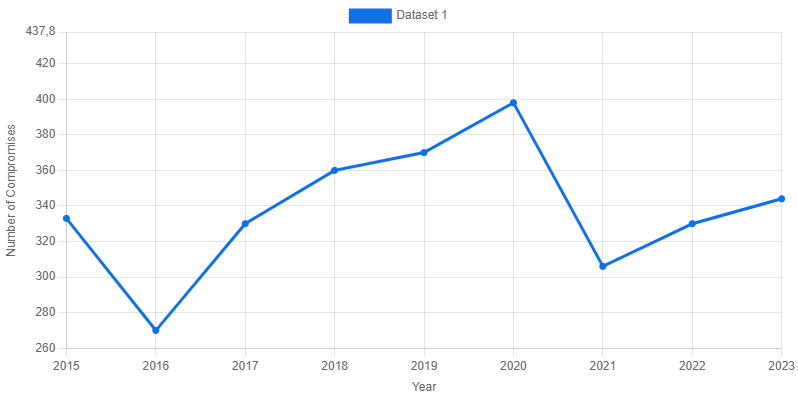
In 2023 alone, there were 809 reported healthcare data breaches, a sharp increase from 344 in 2022. Cybercriminals often exploit vulnerabilities in healthcare systems using techniques like ransomware and phishing.
Internal threats are just as critical. Human error is a major factor, contributing to 85% of data breaches. Employees may accidentally click on phishing links or mishandle data, leading to breaches.
Insider threats—whether through negligence or intentional actions—highlight the need for strict data access controls and regular monitoring.
Understanding these external and internal threats is essential. A clear grasp of the risk landscape helps healthcare providers prepare for and mitigate the many threats to patient data.
Total Annual Data Compromises in U.S. Healthcare (2015-2023)
Regulatory Compliance and Security Standards
Healthcare providers must meet strict regulatory requirements to protect patient data. Here’s a breakdown of the key compliance elements every healthcare organization should know:
1. HIPAA Privacy and Security Rules
- HIPAA Privacy Rule: Controls how Protected Health Information (PHI) can be used and shared. It ensures patient data remains confidential.
- HIPAA Security Rule: This policy focuses on safeguarding electronic protected health information (ePHI). It requires:
- Administrative Controls: Policies and procedures to manage ePHI.
- Physical Controls: Implementing physical security solutions to protect physical access to data, like secured devices.
- Technical Controls: Measures such as encryption and access restrictions to prevent unauthorized access.
2. Compliance Requirements for Providers
- Security Controls: Providers and business associates must implement measures to protect patient data. This includes:
- Encryption for data in transit and at rest.
- Access Controls to limit who can view or use sensitive information.
- Regular Risk Assessments: Conducting regular audits to identify vulnerabilities helps address security gaps before they become breaches.
3. Importance of Adhering to Regulations
- Health and Human Services (HHS) Compliance: Following the HIPAA Privacy and Security Rules is essential for:
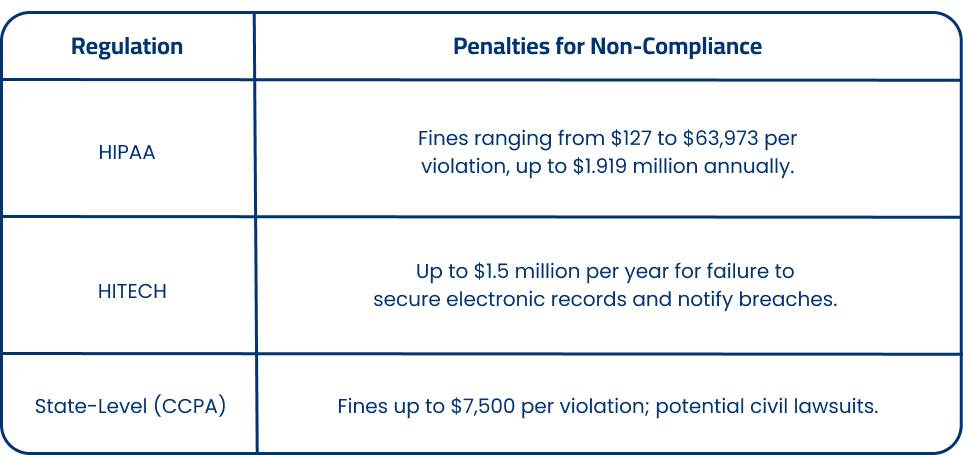
- Avoiding Penalties: Violations can lead to significant fines and legal issues.
- Maintaining Trust: Patients need to know their data is safe to continue trusting healthcare providers.
- Preventing Breaches: Proper compliance helps minimize the risk of costly data breaches.
Adhering to these standards ensures healthcare providers not only protect patient data but also uphold a strong healthcare reputation, reinforcing trust and compliance in the process
Financial and Legal Penalties for Data Breaches in Healthcare
Securing Electronic Health Records (EHRs)
The increased use of Electronic Health Records (EHRs) has brought immense benefits to healthcare, but it also comes with rising security risks.
In fact, 86% of healthcare data breaches are linked to unauthorized access, often targeting EHR systems.
1. Data Usage Controls and Access Restrictions
- Role-Based Access Control (RBAC): Limit data access to only those who need it. For example, a nurse may access medical history, while billing staff only see payment details.
- Multi-Factor Authentication (MFA): Adds an extra layer of security. Users must verify their identity with something they know (password) and something they have (a code sent to their phone).
2. Data Encryption
- Encryption in Transit and at Rest: Encrypting EHR data prevents unauthorized access both when data is being transmitted and while it’s stored.
- SSL/TLS: Secure Sockets Layer/Transport Layer Security protects data while it’s being transmitted over networks.
- AES (Advanced Encryption Standard): Encrypts stored EHR data, making it unreadable without proper decryption keys.
By implementing access restrictions, MFA, and encryption, healthcare organizations can significantly reduce the risk of EHR-related breaches.
Proper security measures help ensure sensitive health information is kept safe, fostering both regulatory compliance and patient trust.
Protecting Patient Data
Protecting patient data is critical for healthcare providers to avoid breaches and maintain trust.
This involves not just technical safeguards, but also empowering healthcare staff with the right tools and knowledge to handle sensitive information responsibly.
1. Staff Education on Data Protection
- Training on PHI Handling: Staff should be trained on the proper handling of Protected Health Information (PHI), ensuring they understand the importance of data confidentiality and how to avoid common threats like phishing.
- Secure Communication Channels: Employees must use secure communication tools—like encrypted messaging platforms—when sharing patient information to prevent unauthorized access.
2. Restricting Access to Data
- Least Privilege Access: Limit access rights so that each employee only has the minimum permissions needed for their role. This approach reduces the potential damage from accidental or malicious access.
- Segregation of Duties: Divide tasks among different staff members so no one individual has unchecked access to sensitive data. This minimizes the risk of insider threats and ensures better oversight.
3. Strong Authentication and Authorization Controls
- Multi-Factor Authentication (MFA): Add an extra layer of security by requiring multiple forms of verification to access patient data, such as passwords and a verification code sent to a phone. Pairing this with a HIPAA compliant password manager keeps those credentials strong and auditable across the practice rather than reused or written on a note by the workstation.
- Single Sign-On (SSO): Streamline authentication while maintaining security by allowing users to log in once to access multiple applications. This improves user convenience without compromising data safety.
Effective patient data protection means combining staff education, access restrictions, and robust authentication methods.
By focusing on these areas, healthcare organizations can better defend against breaches and uphold patient trust.
Cybersecurity Strategies and Risk Management
In the healthcare sector, robust cybersecurity strategies and effective risk management are vital for safeguarding sensitive data.
Healthcare providers must be proactive—anticipating threats, preparing for incidents, and ensuring operations continue smoothly even in the face of disruptions.
1. Key Cybersecurity Strategies
- Risk Management: Identify, assess, and prioritize risks. Regular risk assessments help healthcare organizations understand their vulnerabilities and focus resources on critical areas.
- Incident Response: Develop a plan to quickly detect, respond to, and recover from cybersecurity incidents. A clear incident response strategy minimizes damage during a breach.
- Business Continuity Planning: Prepare for unexpected disruptions, ensuring that healthcare services can continue even during a cyberattack. This involves maintaining backup systems and disaster recovery plans.
2. Regular Risk Assessments and Vulnerability Scans
- Risk Assessments: Regular assessments are essential to identify new threats. Tools like NIST’s Cybersecurity Framework offer a structured approach to understanding risks and enhancing defenses.
- Vulnerability Scans: Frequent scans help detect weaknesses in networks and applications before attackers can exploit them, enabling prompt fixes.
3. Security Controls and Mitigation Strategies
- Firewalls: Act as the first line of defense by blocking unauthorized access while allowing safe communication.
- Intrusion Detection Systems (IDS): Monitor network traffic for suspicious activities and raise alerts to ensure swift responses to potential threats.
- Antivirus Software: Protects endpoints by identifying and removing malware before it can cause damage, keeping both patient and organizational data secure.
By combining risk management, incident response planning, and strong security controls, healthcare organizations can effectively protect patient information, reduce vulnerabilities, and maintain trust even when facing cyber threats.
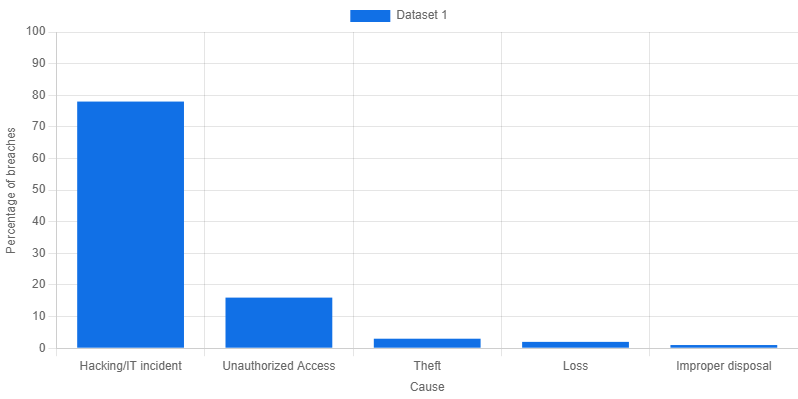
Healthcare Data Breaches in the United States by Cause (2022)
Incident Response and Business Continuity
A well-prepared incident response plan is crucial for minimizing damage during a data breach.
By being ready to act quickly, healthcare providers can contain incidents, recover efficiently, and continue delivering care with minimal disruption.
1. Developing an Incident Response Plan
- Containment, Eradication, and Recovery:
- Containment: Act immediately to stop the spread of an attack. This might involve isolating affected systems or disconnecting compromised devices from the network.
- Eradication: Identify and remove the root cause of the breach, such as malware or vulnerabilities that allowed unauthorized access.
- Recovery: Restore affected systems and verify their integrity before bringing them back online to ensure they are secure and fully operational.
2. Regular Backups and Disaster Recovery Testing
- Data Backups: Conduct regular backups of critical data to ensure information can be restored after a breach. Secure backups are vital for minimizing data loss and disruption.
- Disaster Recovery Testing: Periodically test disaster recovery procedures to ensure systems and data can be restored effectively. This practice identifies potential gaps in the plan and helps ensure readiness when a real breach occurs.
3. Ensuring Business Continuity
- Planning and Preparation: A comprehensive business continuity plan (BCP) ensures essential healthcare services continue even in the event of a major breach. This includes defining procedures to switch to backup systems and ensuring alternative communication channels are in place.
- Employee Training: Staff should be trained to understand their roles during a breach to minimize chaos and downtime. Clear communication and established protocols are key to a quick recovery.
Having a solid incident response plan, conducting regular backups, and preparing for business continuity ensures that healthcare providers are ready to face a data breach without compromising patient care or data integrity.
Cybersecurity Resources and Tools
Healthcare organizations must leverage the right cybersecurity resources and tools to effectively safeguard sensitive patient data.
Fortunately, several trusted resources and technologies are available to help providers enhance their security posture and stay ahead of emerging threats. These range from established frameworks like NIST to comparative resources covering the best Identity Governance and Administration (IGA) for healthcare, helping organizations evaluate how different platforms manage access reviews, provisioning workflows, and audit reporting.
1. Recommended Resources for Healthcare Cybersecurity
- Health Sector Cybersecurity Coordination Center (HSCC): The HSCC provides resources tailored specifically to the healthcare sector. It helps healthcare organizations stay informed about emerging threats and best practices.
- National Institute of Standards and Technology (NIST): NIST offers guidelines such as the NIST Cybersecurity Framework, which helps healthcare providers understand their cybersecurity risks and create comprehensive defense strategies.
2. Utilizing HSCC Resources
- HSCC’s Cybersecurity Framework: This framework outlines security best practices designed specifically for healthcare environments, helping organizations improve their resilience against cyber threats.
- Incident Response Guide: The HSCC Incident Response Guide provides a step-by-step approach to managing cybersecurity incidents—from detection to containment, eradication, and recovery—ensuring healthcare providers can effectively respond to breaches.
3. Leveraging Cybersecurity Tools and Technologies
- Security Information and Event Management (SIEM) Systems: SIEM tools help monitor networks and collect data in real time, enabling healthcare organizations to quickly detect suspicious activities and respond before breaches escalate.
- Threat Intelligence Platforms: These platforms gather and analyze information on emerging threats, allowing healthcare providers to anticipate and defend against potential cyberattacks. By integrating threat intelligence, healthcare organizations can make informed decisions and prioritize their cybersecurity efforts.
Protecting Patient Records and Data in Healthcare with Virtual Desktops
Securing patient data in healthcare is more important than ever. This means embracing regulatory compliance, implementing robust security controls, and having a strong incident response plan.
By following these best practices, healthcare providers can protect sensitive information, avoid breaches, and maintain patient trust.
- Compliance: Adhere to HIPAA and other regulations to keep patient data safe and avoid penalties.
- Security Controls: Use encryption, access control, and multi-factor authentication to secure data effectively.
- Incident Response: Prepare for data breaches with a well-defined incident response plan and regular backups.
V2 Cloud’s Virtual Desktops provide a centralized, secure environment for accessing patient data. Sensitive information is kept off local devices, reducing risks of theft or loss. V2 Cloud makes compliance easier, supports data security, and ensures healthcare providers can focus on patient care.
Ready to enhance your data protection? Talk to a V2 Cloud Specialist today and see how our virtual desktops can make a difference in your healthcare organization.