How to Reduce Operating Costs: 6 Efficient Strategies to Cut Expenses Fast
October 5, 2026

October 5, 2026
As businesses face economic challenges, cutting operating costs has become a priority.
A 2023 report shows that managing operational expenses remains a key challenge for 82% of companies globally. Businesses need to cut costs while maintaining efficiency and service quality to stay competitive.
Common strategies for reducing operational costs include automating processes, optimizing energy usage, and streamlining staffing needs. By focusing on areas like IT and infrastructure, businesses can find sustainable ways to lower costs without compromising their core operations.
In this article, we’ll discuss the most efficient strategies for reducing operating expenses for companies of diverse types and sizes. From emerging technologies to fail-proof auditing, let’s uncover the best budgeting path for your business.
Operating costs, also called operating expenses (OPEX), are the ongoing expenses necessary to run a business.
These include the day-to-day costs required to maintain operations but exclude expenses tied directly to production, such as cost of goods sold (COGS).
Understanding both fixed and variable operating expenses is key to identifying opportunities for cost reduction.
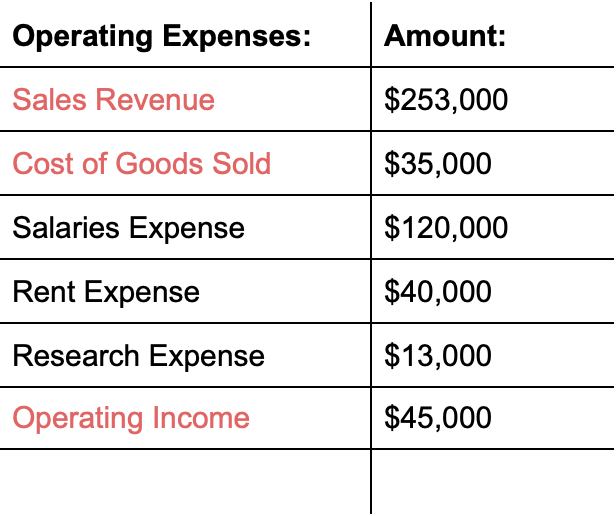
Focusing on reducing these operating costs is vital for maintaining a healthy cash flow and staying agile in changing economic conditions.
Businesses can take advantage of strategies like automating processes, outsourcing non-core tasks, and, increasingly, adopting cloud solutions to minimize these expenses.
Reducing operating costs is essential for maintaining profitability and long-term business growth. Below are several proven strategies that businesses can implement to optimize their expenses:
Automation helps businesses save time and reduce labor costs by handling repetitive tasks, such as data entry, customer support, and inventory management.
Automating processes can improve efficiency and reduce the need for manual intervention, which in turn lowers labor costs. Businesses can also work with an AI SEO agency to streamline tasks such as content optimisation, keyword research, and other repetitive SEO activities, helping marketing teams do more with fewer resources.
According to a McKinsey report, automation can save companies up to 20–25% on operational costs. For example, in the restaurant and food manufacturing industries, tools like food inventory management software help automate stock tracking, reduce waste, and streamline the ordering system, ultimately lowering operational overhead while improving operational efficiency.
Outsourcing allows businesses to delegate non-core functions—such as HR, accounting, and IT support—to specialized third-party providers.
For example, companies offering digital services can partner with the best white label SEO company to deliver SEO under their own brand while avoiding the cost and complexity of building an in-house team
This reduces the need for full-time staff in these areas and eliminates overhead costs associated with managing in-house teams.
For instance, outsourcing IT management can cut costs by 30-40% for many organizations.
Trusted partners like 1840 & Company offer flexible, cost-effective IT solutions that help reduce overhead without sacrificing quality.
Energy consumption is a significant contributor to operating costs, especially for office spaces and manufacturing facilities.
By adopting energy-efficient solutions like LED lighting, smart thermostats, and energy management systems, businesses can drastically lower their utility costs.
According to the U.S. Department of Energy, energy efficiency upgrades can lower energy bills by 25-30%.
Businesses can reduce variable costs by negotiating better deals with suppliers, consolidating orders to save on shipping, and using just-in-time (JIT) inventory management to avoid excess stock. When renegotiating supplier agreements or refinancing working capital, working with a competent finance lawyer can help review contract terms, covenants, and potential penalties that may quietly erode savings.
Improving supply chain efficiency helps lower costs while maintaining high productivity, and manufacturers looking to simplify sourcing might consider RapidDirect for precision parts or fabrication needs, leveraging advanced supply chain strategies to optimize operations and minimize waste.
With the rise of remote work, businesses can save on real estate, utilities, and other overhead costs by downsizing office spaces.
Remote work also allows companies to hire talent from locations with lower wage requirements. However, managing a distributed workforce effectively requires the right tools. Using an employee communication app helps keep remote and hybrid teams aligned, ensuring that cost savings from flexible work models are not offset by productivity losses caused by poor internal communication. Before onboarding, ensure their professional resume reflects proficiency in collaboration tools and remote workflow management to support distributed operations effectively.
On the flip side, job seekers are adapting to this shift by using tools like an auto job applier to quickly submit tailored applications at scale—saving time and boosting their chances in a more competitive, remote-first job market.
According to Global Workplace Analytics, businesses can save $11,000 per year for each employee working remotely half the time.
Moving to cloud-based software and storage solutions allows businesses to reduce hardware purchases and maintenance costs.
Cloud services often operate on a pay-as-you-go model, allowing companies to scale services up or down based on current needs, which leads to cost savings.
Many businesses report a 30-40% reduction in IT costs after transitioning to the cloud.
By leveraging cloud desktops, businesses can significantly reduce their operating costs, while also improving efficiency and security.
This modern approach to IT management allows companies to focus more resources on growth and innovation rather than maintaining expensive and complex infrastructure.
Here are some of the primary ways virtual desktops can contribute to significant cost savings:
With virtual desktops, businesses no longer need to invest heavily in high-end physical computers for every employee.
Instead, virtual desktops allow users to access a fully functional desktop environment from any device, including low-cost hardware like thin clients or even personal devices.
This leads to significant savings on initial hardware purchases and ongoing maintenance. Research shows that companies using virtual desktops can reduce hardware spending by up to 40%.
Managing physical desktops can be costly, with constant maintenance, updates, and troubleshooting required.
Virtual desktops centralize management, allowing IT teams to handle updates, security patches, and troubleshooting from a single point, reducing the need for on-site support. This leads to a reduction in IT staffing costs, as fewer technicians are needed for desktop support.
A study by Gartner found that businesses can save up to 30% on IT support by switching to virtual desktop environments.
Traditional desktops require significant energy to power, especially in large office environments.
Virtual desktops reduce energy consumption by offloading the majority of computing power to the cloud. This leads to lower energy bills and a smaller carbon footprint.
Data shows that companies can reduce energy costs by up to 60% by adopting virtual desktops.
Virtual desktops provide businesses with flexibility in scaling their workforce, especially when dealing with seasonal or project-based needs.
With virtual desktops, companies can quickly add or remove users without the need for new hardware purchases or complex setup processes.
This scalability allows businesses to adjust their operations based on current needs, helping to avoid unnecessary costs related to over-provisioning hardware or software licenses.
Security breaches are costly, and maintaining up-to-date security protocols on every individual desktop can be resource-intensive.
Virtual desktops offer enhanced security features, with centralized data storage and control, reducing the risk of data breaches. Businesses save on security management, as IT teams can apply security policies and updates from one central point.
This not only improves security but also reduces the financial risk of breaches, which can cost businesses an average of $4.35 million per incident.
V2 Cloud offers a comprehensive Virtual Desktop Infrastructure (VDI) solution designed to reduce operating costs while improving business efficiency.
Here’s how V2 Cloud helps companies cut costs and streamline their operations:
V2 Cloud eliminates the need for businesses to invest in expensive, high-performance desktop computers for every employee.
With V2 Cloud’s virtual desktops, employees can access their full desktop environment from any device—whether it’s a lightweight laptop, tablet, or even a personal computer.
This results in substantial hardware savings, as businesses no longer need to frequently replace or upgrade desktops.
Additionally, V2 Cloud’s centralized management system helps extend the life of older devices, reducing the need for constant hardware refreshes.
One of the biggest advantages of V2 Cloud’s VDI solution is its ability to scale quickly and efficiently.
Whether a business is growing rapidly or experiencing seasonal fluctuations, V2 Cloud allows companies to add or remove users in real-time without the hassle of purchasing and setting up new hardware.
This flexibility prevents over-provisioning, ensuring businesses only pay for what they use.
With a simple per-user pricing model, companies can manage their IT costs more predictably and avoid large upfront investments in infrastructure.
Managing traditional desktop setups often requires significant IT resources for maintenance, troubleshooting, and updates.
With V2 Cloud, businesses centralize IT management, reducing the workload on internal IT teams.
Patches, software updates, and security protocols are managed from a central hub, allowing IT teams to resolve issues faster and reduce downtime for users.
V2 Cloud further simplifies this process with an intuitive platform, making it easy for IT staff to manage multiple users and desktops from a single interface.
Security breaches can be costly, both financially and reputationally.
V2 Cloud provides enterprise-grade security by keeping all data stored centrally in secure cloud servers, reducing the risks associated with device theft or loss.
Additionally, V2 Cloud helps businesses maintain compliance with industry regulations by offering built-in security features like data encryption, multifactor authentication, and regular backups.
By preventing security breaches and reducing the need for costly recovery measures, V2 Cloud minimizes the financial risk associated with data loss or theft.
Businesses looking to reduce operating costs while boosting flexibility and security should consider V2 Cloud’s virtual desktop solutions.

Your V2 CloudCare team — real people, on the line.