On a call now34s avg. pickup
SL
FC
AR
MK
+6
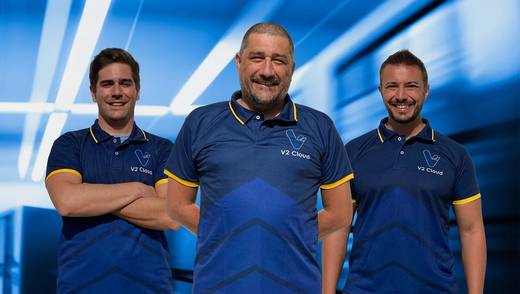
Your V2 CloudCare team — real people, on the line.
Last updated: 2025-10-31
A legacy system refers to an outdated technology, computer system, programming language, software, or hardware that remains in use without upgrades. These systems are termed ‘legacy’ because their original behaviors and methodologies have significantly influenced the development of newer, updated versions.
A few examples of legacy systems include:
Legacy systems are constrained by their outdated technology. Therefore, they present significant challenges when it comes to enhancement, new functionality integration, and compatibility with the latest technological advancements.
As a result, these systems often remain confined to their original purpose, which presents several challenges in today’s rapidly evolving world.
These are typical challenges associated with legacy systems:
1. What exactly qualifies as a “legacy system" and why are they still around?
Legacy systems are outdated technologies (software, hardware, or programming languages) still in use despite newer versions existing. They are still around because replacement is complex, even though they are constrained by old technology and limited in purpose. Examples include old financial applications, manufacturing machines with MS-DOS, or specialized voicemail systems.
2. Why is using an outdated system a major problem for an organization?
Using legacy systems presents significant financial and operational problems for an organization. They are expensive to maintain, lack skilled staff, hinder new technology integration, and complicate regulatory compliance due to outdated technology and insufficient documentation.
3. Are legacy systems a security risk?
Yes, they present a significant security risk. Legacy systems operate with outdated security measures that are inadequate to address the current, more sophisticated security threats faced today. Furthermore, they cause issues related to data management: older data storage methods are often incompatible with current systems, meaning data can remain “trapped in silos" within the legacy system unless a thorough migration process is performed.
Your V2 CloudCare team — real people, on the line.